3 Ways to Protect Your Kidneys from Mycotoxins in Coffee
With deep expertise in kidney and nutritional health, we recognize that mycotoxins—harmful compounds from mold in foods like coffee, grains, and nuts—can impact renal function and overall wellness. Notable examples include ochratoxin A and aflatoxins. Minimizing exposure through mold-free choices and supporting kidneys with targeted supplements helps safeguard long-term health.
What are the mycotoxins in coffee?
Mycotoxins are toxic mold metabolites that can contaminate coffee beans and place a chronic burden on kidney function. Among these, ochratoxin A (OTA) is the most studied nephrotoxic mycotoxin; it accumulates in the proximal tubules and over time can reduce concentrating ability, blood flow, and glomerular filtration rate.

Animal and epidemiologic data link chronic OTA exposure to tubulointerstitial nephritis and nephrocarcinogenic effects, making OTA a key suspect in environmentally driven kidney damage. (Source: PMID: 15665523)
Typical Signs of Mycotoxin Exposure
Enumerate the symptoms and health problems that mycotoxins can produce. For instance:
- Vomiting, nausea, and digestive problems
- Dizziness or headaches
- inhibition of the immune system
- extreme cases of liver damage
- Reactions to allergens
Foods With the Potential to Have Mold
Provide a list of foods that are likely to develop mold:
- Grains (rice, corn, and wheat)
- Nuts (almonds, pistachios, and peanuts)
- Fruits that have been dried
- Cheese, particularly soft and blue cheeses
- Coffee beans
- Some spices
- Vegetables and fruits that are outdated or not properly preserved
1. Switch to Certified "Mold-Free" Coffee
Fortunately, the risk of mycotoxin varies depending on the type of coffee. Nowadays, several businesses incorporate stringent testing into their sourcing, educating customers on how to lower mycotoxin levels in coffee and enjoy their cup with much less worry about OTA and associated molds. (Source: PMID: 17195275)
The first line of defense is sourcing. Not all beans are created equal; many commercial brands are processed in ways that allow mold to flourish.
- What to look for: Choose brands that utilize third-party laboratory testing for both green and roasted beans.
- Recommended Brands: Purity Coffee and Bulletproof Coffee both maintain rigorous standards to ensure their products are effectively mycotoxin-free.
2. Fortify Your Filters with Advanced Kidney Support
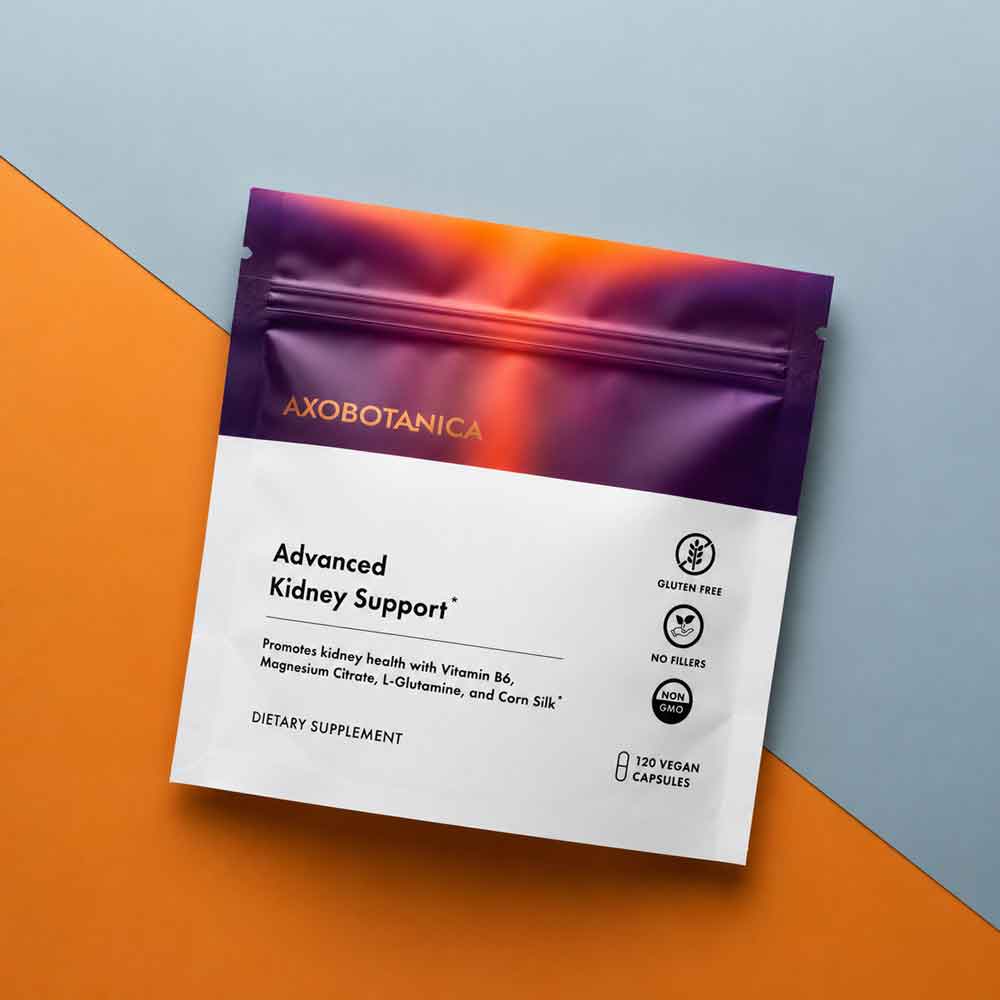
If you have existing kidney vulnerability, simply removing the toxin isn't enough—you need to support the tissue. Combining clean coffee with a treatment mold toxicity-targeted formula like Axobotanica’s Advanced Kidney Support provides the botanical and nutrient foundation necessary for:
- Improving renal circulation.
- Boosting antioxidant status to combat oxidative stress from OTA.
- Enhancing tubular resilience against environmental stressors.
3. Use an Oral Binder (Activated Charcoal)
If you are drinking coffee where the sourcing is unknown (like at a cafe or restaurant), you can use an oral binder as a safety net.
- How it works: Activated charcoal has a massive porous surface area that can adsorb mycotoxins like ochratoxins and zearalenone before they are absorbed into your bloodstream.
- Pro-Tip: Take one capsule of activated charcoal with your plain coffee. Note: Be sure to separate this from medications or other key supplements by at least 90 minutes, as charcoal can bind to beneficial compounds too.
The Bottom Line
By controlling your sourcing, providing your kidneys with the nutrients they need to heal, and using binders when necessary, you can enjoy the benefits of coffee without the "chronic burden" of mold.
Important Medical Disclaimer: Because everyone’s health situation is unique—especially with complex conditions or medications—we’re not able to say whether this product is appropriate or safe for you personally. Please consult your licensed healthcare provider before using this or any supplement. Our products are dietary supplements and are not intended to diagnose, treat, cure, or prevent any disease, and these statements have not been evaluated by the Food and Drug Administration.