5 Facts About Hydration and Kidney Health: A Clinical Guide
With years of expertise in renal health, we know proper hydration is essential for filtration, toxin removal, and stone prevention. Clean electrolytes support cellular water balance without stressing the kidneys. Tailored fluid intake, avoiding additives, and complementing hydration with targeted botanicals help sustain efficient renal function and long-term kidney resilience.
Staying hydrated is essential for overall health, but it is particularly crucial for maintaining optimal kidney function. Your kidneys act as the body’s sophisticated filtration system. They play a vital role in removing waste and excess fluids from your blood. Proper hydration dilutes the concentration of minerals in the urine, which, according to the NIDDK, is the most effective way to prevent kidney stone formation.
The Importance of Hydration for Kidney Health
Adequate water intake helps your kidneys in several critical ways:
- Toxic Clearance: Water helps flush out metabolic toxins and waste products that would otherwise build up in the bloodstream.
- Stone Prevention: Proper hydration dilutes the concentration of minerals in the urine, which helps prevent kidney stone formation.
- Circulatory Support: Water maintains proper blood volume, ensuring your kidneys receive the oxygenated blood they need to function.
- Filtration Efficiency: High fluid volume allows the nephrons (the filtering units of the kidney) to operate with less mechanical stress.
Beyond Water: What Is the Role of Clean Electrolytes?
In the commercial world of "sports drinks," we often see an "expertise gap." While the market is flooded with hydration products, many are designed by non-medical entrepreneurs who prioritize flavor and shelf life over clinical efficacy.
To truly support hydration and kidney health, you must look at electrolytes. Electrolytes like magnesium, potassium, and sodium act as the "electricians" of your cells, moving water into the right places. However, not all electrolytes are created equal.
Ingredients to Avoid
Many popular hydration powders are loaded with "fillers" that can actually strain your kidneys. When shopping, avoid:
- Artificial Sweeteners (Sucralose/Aspartame): These can disrupt the gut-kidney axis and may negatively impact metabolic health.
- Artificial Colors (Red 40, Blue 1): These synthetic dyes serve no clinical purpose and put an unnecessary detoxification burden on your system.
- Excessive Refined Sugar: High glucose spikes can damage the delicate micro-vessels within the kidneys over time.
- Maltodextrin: A high-glycemic thickener that can cause inflammation in sensitive individuals.
Instead, look for clean electrolytes that use sea salt, potassium citrate, and magnesium malate without the chemical additives. This ensures you are hydrating your cells without taxing your filtration system.
How Much Water Should You Drink?
The often-cited "eight 8-ounce glasses" is a generic starting point, but the connection between hydration and kidney health is highly individual. Your needs vary based on:
- Body Size: Larger frames require more total fluid to maintain blood volume.
- Climate: Heat and humidity increase water loss through the skin.
- Physical Activity: Sweat loss must be replaced to prevent acute renal stress.
- Clinical Status: Certain health conditions may require more—or sometimes less—fluid intake.
A more personalized approach is to monitor your urine. Aim for a pale yellow to clear color. If it looks like apple juice, you are likely dehydrated and putting your kidneys at risk.
The Axobotanica Approach
At Axobotanica, we recognize that hydration is the foundation of renal wellness. However, water alone isn't always enough to overcome the "expertise gap" in modern nutrition. We blend modern diagnostic technology with time-honored botanical therapies to support your system from the inside out.
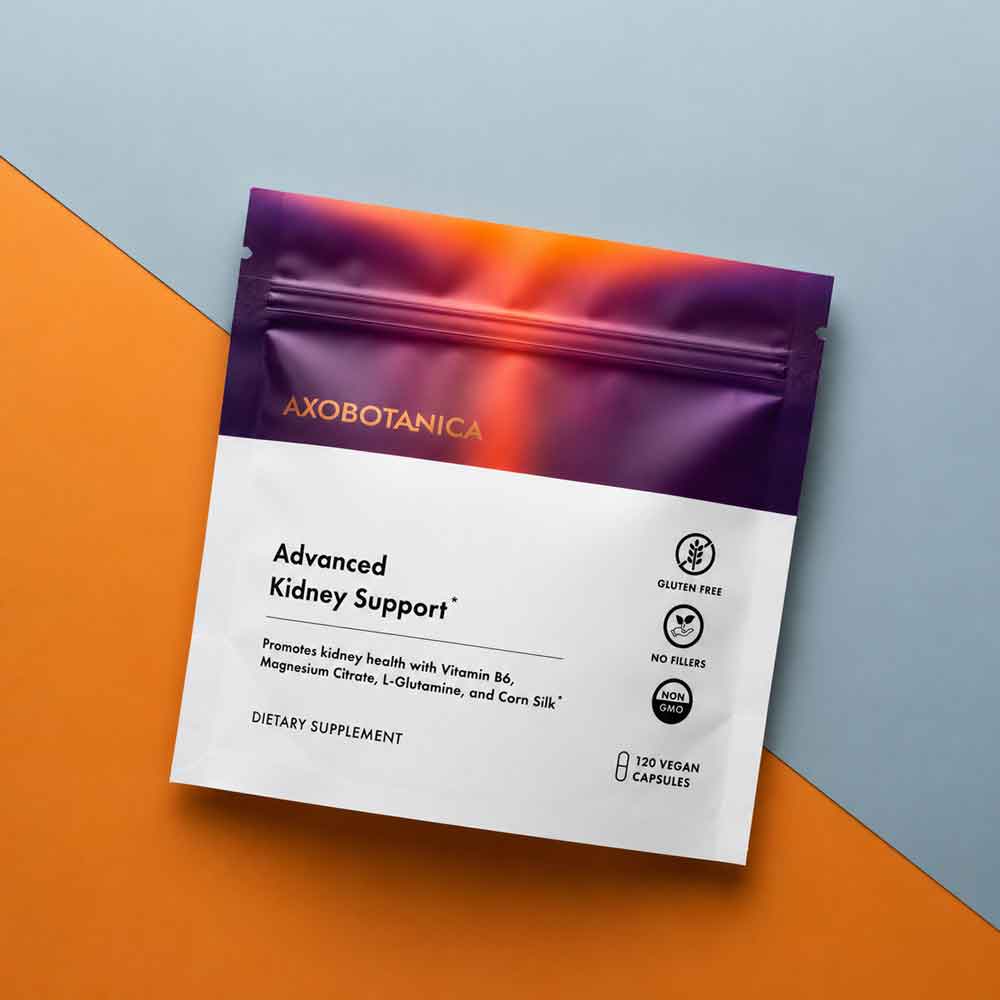
Our Advanced Kidney Support supplement is designed to complement a lifestyle focused on hydration and kidney health. By providing the botanical foundation your kidneys need, we help ensure your primary filtration system stays resilient against the stressors of modern life.
Important Medical Disclaimer: Because everyone’s health situation is unique—especially with complex conditions or medications—we’re not able to say whether this product is appropriate or safe for you personally. Please consult your licensed healthcare provider before using this or any supplement. Our products are dietary supplements and are not intended to diagnose, treat, cure, or prevent any disease, and these statements have not been evaluated by the Food and Drug Administration.