The Connection Between Diet and Kidney Function
With extensive expertise in renal wellness, we know a kidney-friendly diet directly impacts filtration, fluid balance, and inflammation. Regulating sodium, protein, and minerals supports optimal kidney function while preserving gut and immune health. Paired with bioavailable botanicals and mindful lifestyle choices, targeted nutrition sustains long-term energy, metabolic stability, and overall renal performance.
How Does Diet Affect Kidney Function?
The kidneys are high-pressure filtration systems. When we ignore the principles of a kidney-friendly diet, we force these organs to work overtime. Dietary supplements for kidney health.
- Sodium Intake: High sodium consumption can increase blood pressure. This puts massive strain on the delicate renal tissues.
- Protein Consumption: Excessive protein can overwork the kidneys. They must work harder to filter out nitrogenous waste products.
- Mineral Balance: Phosphorus and potassium levels are vital. When these minerals become imbalanced, they can disrupt heart rhythm and bone density.
The Gut-Kidney-Immune Connection
Modern clinical research is increasingly focused on the "gut-kidney axis." We now know that your digestive health and renal health are deeply intertwined. When your kidneys are under stress, metabolic byproducts can leak back into your circulation. This often disrupts the vital balance of your gut microbiome.
By prioritizing renal-supportive nutrition, you are supporting a stable environment for beneficial gut bacteria to thrive. This "triple connection" ensures that your internal protective network isn't distracted by toxic buildup originating from the GI tract. According to the National Kidney Foundation, managing a kidney-friendly diet is the first line of defense against systemic inflammation.
Learn more about the connection between immune health and kidneys here.
What Are the Best Foods for a Kidney-Friendly Diet?
Choosing the right fuel is essential. These four categories are the cornerstones of renal health:
- Berries: Is cranberry juice good for your kidneys? Blueberries and raspberries are rich in antioxidants. These compounds protect kidney cells from oxidative stress.
- Leafy Greens: These provide essential nutrients. They offer vitamins without overloading the kidneys with excessive minerals.
- Fatty Fish: Salmon and mackerel offer omega-3 fatty acids. These are essential for reducing systemic inflammation.
- Whole Grains: These provide fiber and nutrients. They offer energy without the high protein content found in red meats.
Check out my favorite kidney-friendly smoothie recipe and learn about the connection between oxalates and kidney damage.
Bioavailability and Herbal Synergy
Beyond food choices, the connection between diet and kidney function is heavily influenced by how your body absorbs nutrients. In clinical practice, I often see patients following a strict kidney-friendly diet who still struggle with systemic inflammation. This is often due to a lack of "synergy" in their supplementation.
True renal support requires more than just high doses; it requires specific botanical pairings that improve the bioavailability of protective compounds. By combining targeted herbs like Astragalus or Rehmannia with specific dietary minerals, we can enhance the kidneys' ability to process waste without increasing their workload. This is the difference between a generic supplement and a professional-grade solution designed for long-term filtration health.
Foods to Limit

To maintain a successful renal-supportive lifestyle, you must reduce intake of "heavy" foods. Processed foods are often high in hidden sodium and phosphorus. Red meat has a high protein content that can strain renal filtration. Additionally, the National Institutes of Health (NIH) suggests that excessive dairy can lead to phosphorus buildup in patients with decreased renal function. (Pubmed: Strategies for Phosphate Control in Patients with CKD)
Practical Tips for Success
Transitioning to a kidney-friendly diet doesn't have to be overwhelming.
- Read Labels: Monitor sodium, phosphorus, and potassium totals.
- Cook at Home: This is the only way to truly control your ingredients.
- Hydrate Properly: Choose filtered water over sugary drinks or alcohol.
- Seek Advice: Consult a dietitian for personalized nutritional advice.
The Axobotanica Approach
At Axobotanica, we understand that diet is a crucial component of wellness. However, in clinical practice, I noticed a striking gap. There were no effective, high-potency natural solutions to support renal filtration alongside a kidney-friendly diet.
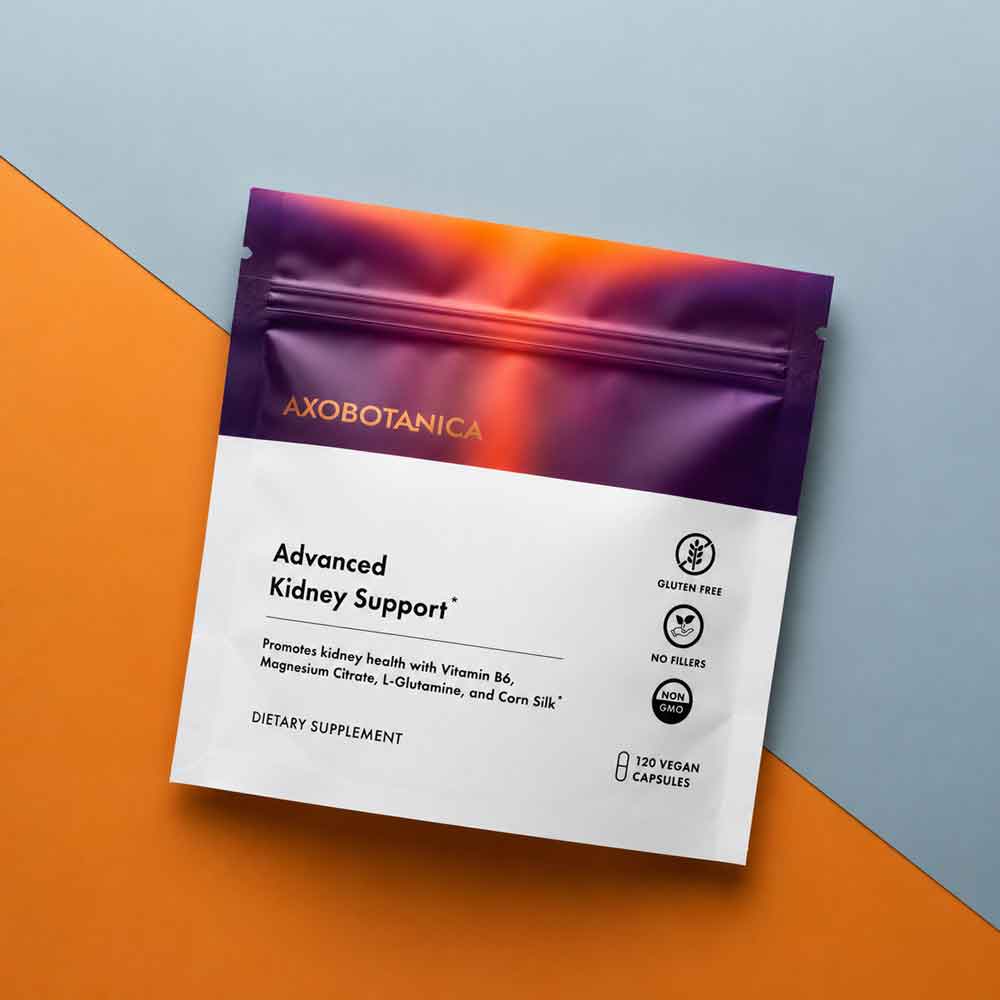
We blend modern diagnostic technology with time-honored botanical therapies. This holistic approach prioritizes long-term systemic health over short-term "fixes." Our Advanced Kidney Support supplement is designed to provide the botanical foundation your kidneys need. It complements your nutritional choices by providing clinical-level support for your primary filtration system.
Important Medical Disclaimer: Because everyone’s health situation is unique—especially with complex conditions or medications—we’re not able to say whether this product is appropriate or safe for you personally. Please consult your licensed healthcare provider before using this or any supplement. Our products are dietary supplements and are not intended to diagnose, treat, cure, or prevent any disease, and these statements have not been evaluated by the Food and Drug Administration.