5 Natural Ways to Support Kidney Health
With years of expertise in renal wellness, we understand how kidneys regulate blood filtration and mineral balance. Supporting them effectively involves proper hydration, kidney-conscious nutrition, gentle activity, and stress management. Evidence-backed botanicals like corn silk, alongside targeted supplements and a balanced diet, help maintain optimal filtration, electrolyte balance, and long-term kidney health.
Your kidneys are the body's master chemists. They work around the clock to maintain the body's internal environment by balancing minerals like sodium and potassium and supporting the natural filtration of blood. This naturopathic doctor-founded guide explores five lifestyle pillars to support healthy renal function.
1. Hydration: The Foundation of Renal Ease
Proper hydration supports the kidneys’ natural ability to filter and clear metabolic byproducts.
- The Color Test: Observe your urine color as a guide; a pale straw color generally indicates appropriate hydration levels.
- Quality Over Quantity: Focus on consistent, high-quality hydration throughout the day rather than excessive fluid intake at once.
- Metabolic Clearance: Adequate water intake ensures that the concentration of solutes in the blood remains at a level that the kidneys can move efficiently through the delicate filtration "mesh."
2. Nutrition for Vitality
Dietary choices directly impact the workload of your internal filtration system.
- Leafy Green Swaps: Many common greens are high in oxalates; exchanging them for arugula, kale, or bok choy can help manage the mineral load your system must process.
- Sodium Awareness: Prioritize fresh, whole foods and use herbs like lemon, garlic, or ginger to season meals. This supports healthy blood pressure already within a normal range, which reduces the mechanical "push" against your filters.
Check out my favorite kidney-friendly smoothie recipe and learn more about the connection between oxalates and kidney damage.
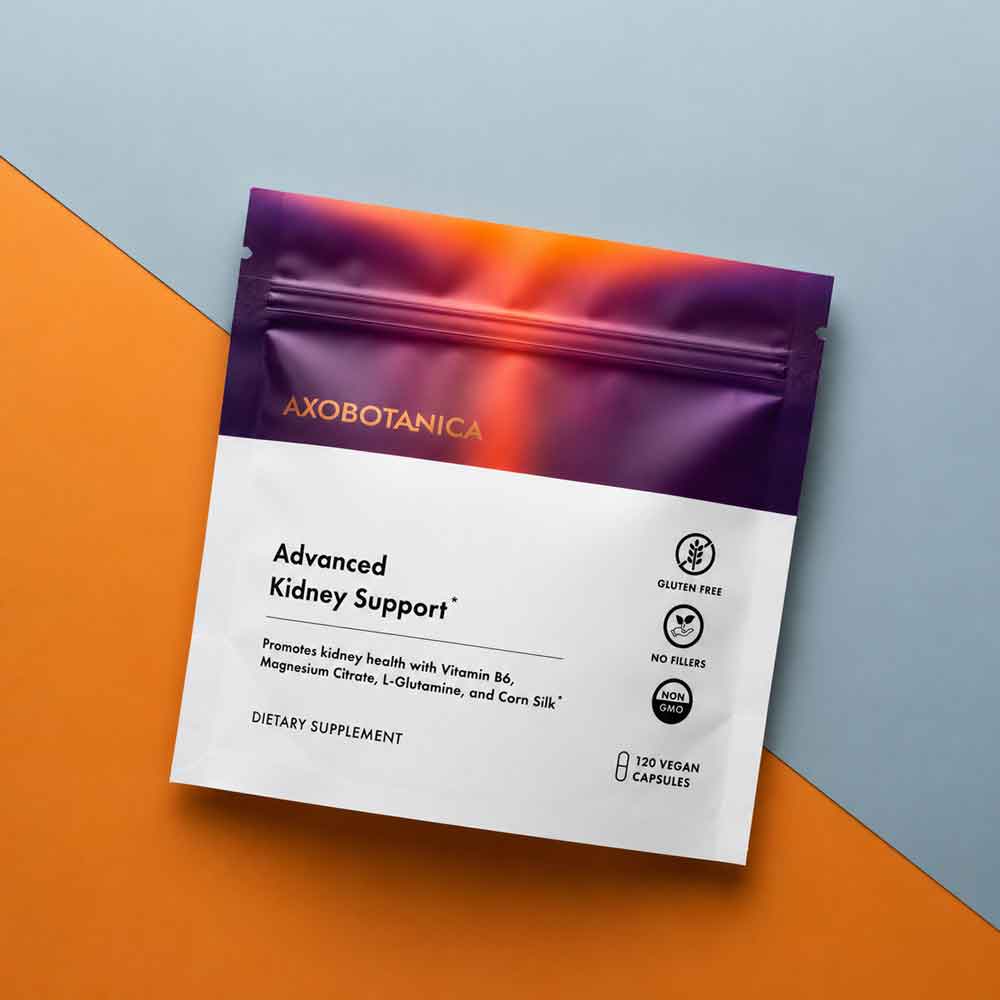
3. The Role of Botanical Traditions: Corn Silk (Zea mays)
While often considered a byproduct, the silky threads of corn have been used for centuries in botanical traditions due to their unique phytochemical profile.
- Flavonoid Content: Corn silk is rich in phenolic compounds and flavonoids, which provide natural antioxidant support for the tissues of the urinary tract.
- Gentle Fluid Movement: As a non-irritating, botanical diuretic, corn silk helps the body move fluid efficiently through the system.
- Electrolyte Management: Unlike some synthetic options, corn silk supports fluid clearance while being gentle on the body's existing mineral and electrolyte balance.

4. Mindful Movement and Breath
Physical wellness practices support the healthy circulation required for optimal organ function.
- Renal Hemodynamics: Taking intentional "belly breaths" (diaphragmatic breathing) can help shift the body into a relaxed state. This supports healthy blood flow to the internal organs, ensuring the kidneys receive the oxygen and nutrients they need.
- Consistent Movement: Gentle activities like walking or yoga help maintain overall cardiovascular health, ensuring the "pump" (the heart) and the "filter" (the kidneys) work in harmony.
5. The Power of "Slowing Down"
The pace of your daily life can influence your metabolic load.
- Metabolic Ease: When you move and eat at a deliberate, steady pace, you reduce the immediate production of metabolic waste products, allowing your filters to keep up with the workload.
- Intentional Rest: Allowing the body time to rest supports stable internal rhythms and helps the body’s natural systems maintain their balance.
- Testing: If you have concerns about your health, ask your clinician whether any testing is appropriate for you.
How to support kidneys naturally?
Keeping hydrated, eating a balanced diet low in processed foods and sodium, exercising frequently, controlling blood pressure and blood sugar, abstaining from excessive NSAIDs and alcohol, and not smoking are all natural ways to support kidneys.
Want to learn more? Check out the connection between immune health and kidneys here.
Note: This is general wellness education. If you have specific health conditions or take medications, always follow your healthcare provider's personalized guidance.