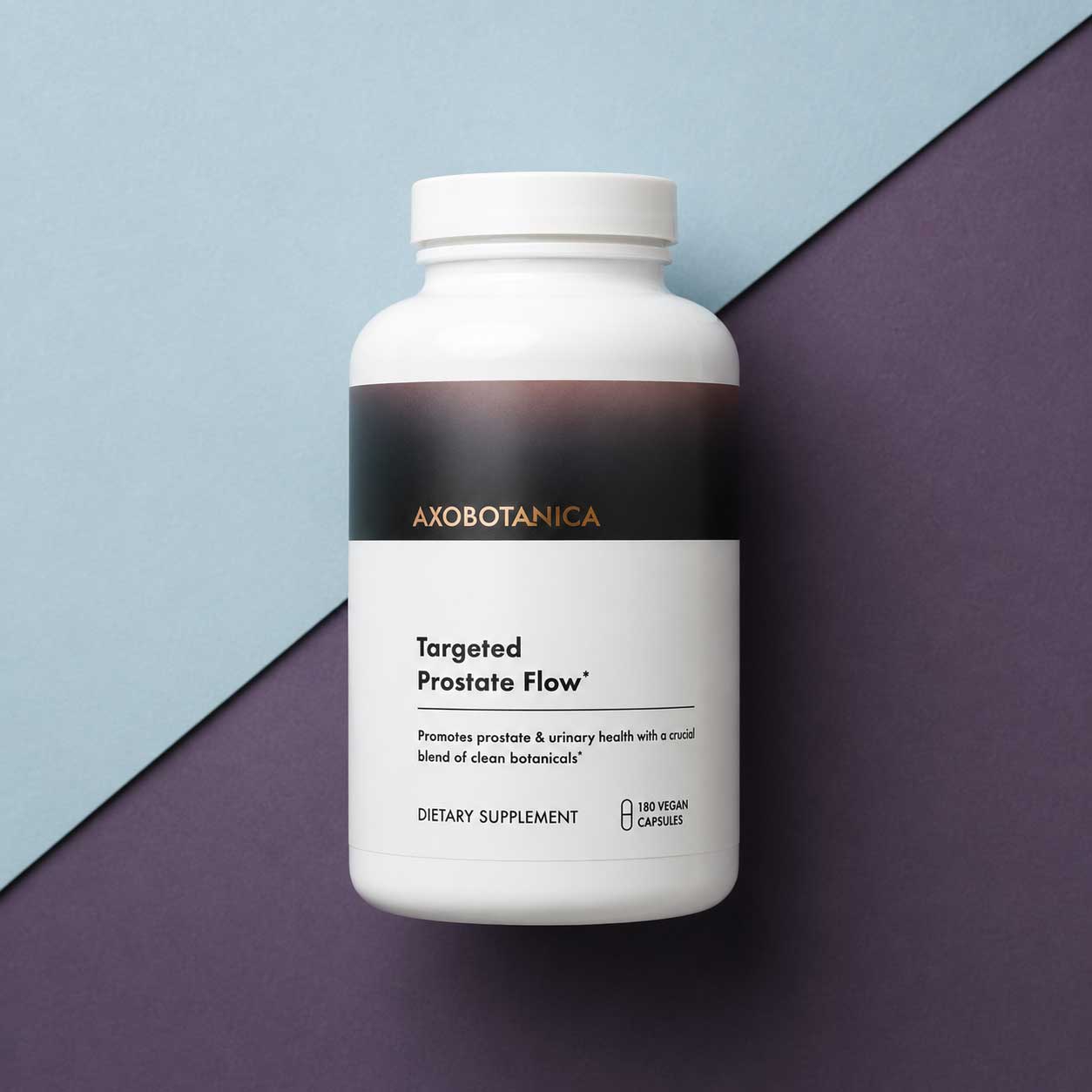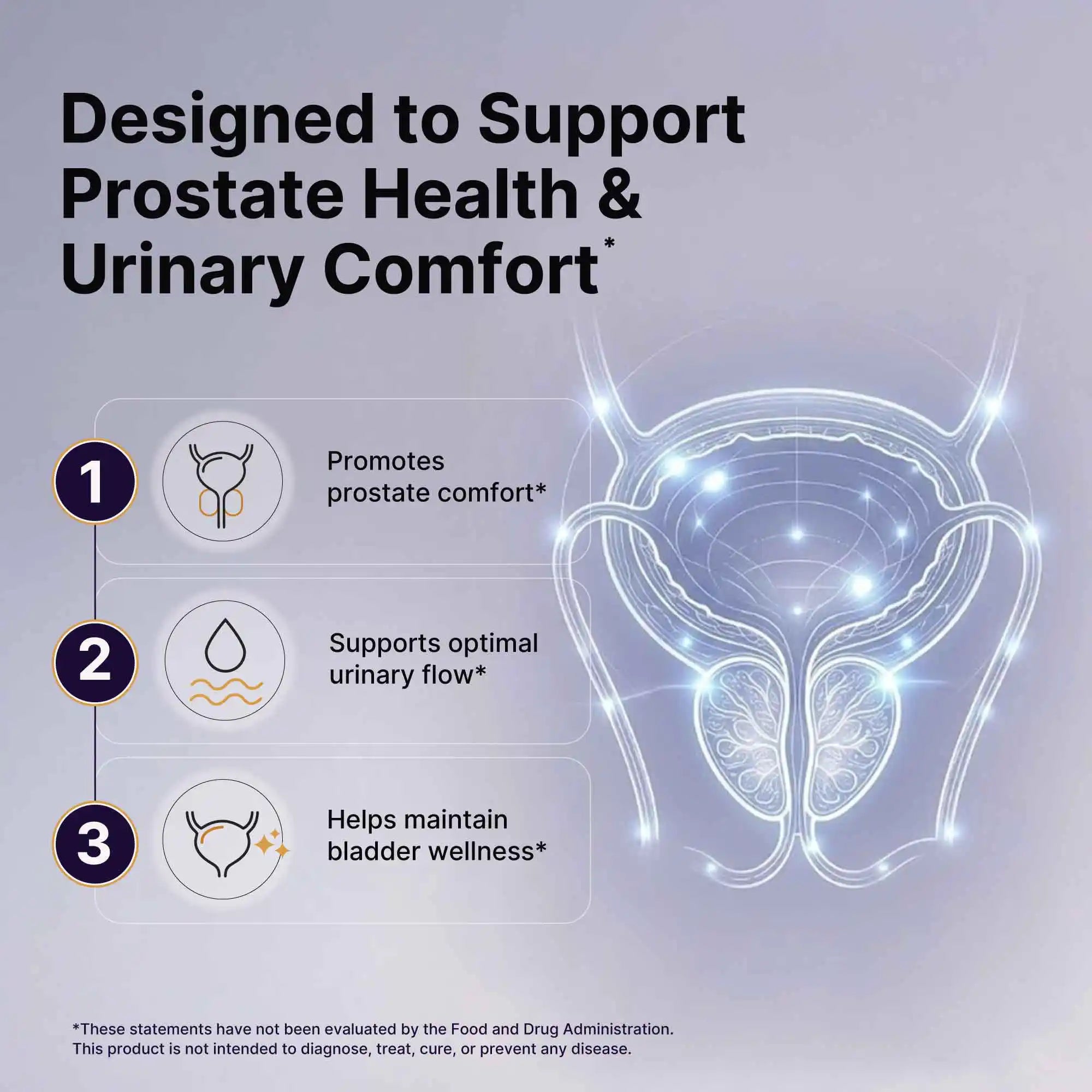
RHEUM PALMATUM · TARGETED PROSTATE FLOW
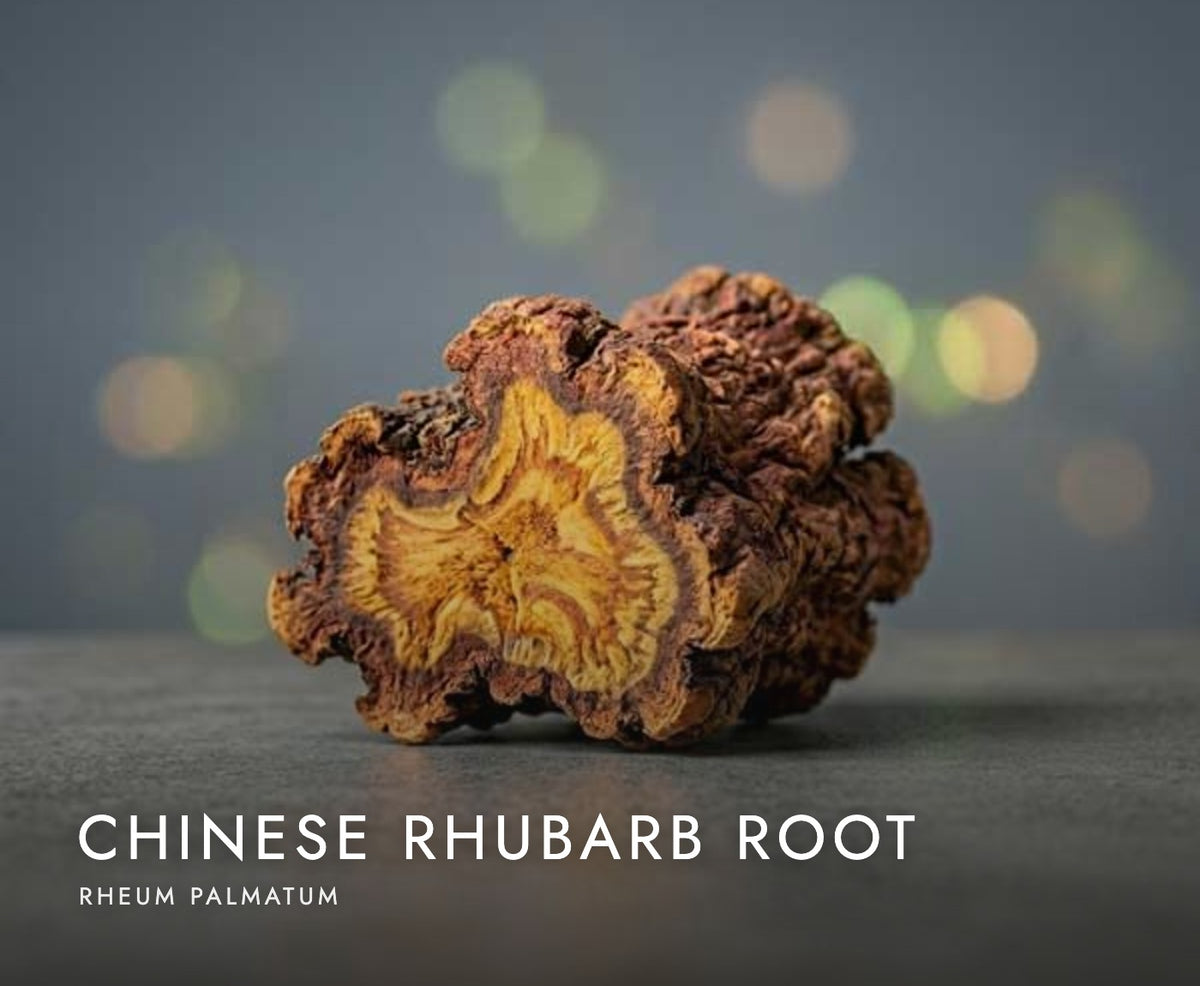
Chinese Rhubarb Root
A deeply clearing botanical selected for its traditional role in resolving pelvic stagnation. In herbal traditions, it is used to specifically clear “Damp Heat”—the heavy, metabolic accumulation in the lower abdomen that compromises prostate comfort. It provides robust antimicrobial support to target unwanted microbial stressors, cool localized heat, and maintain a clear, healthy pelvic environment.*
What is Chinese Rhubarb Root?
Chinese rhubarb (Rheum palmatum) is a large leafy plant, a relative of the garden rhubarb used in pies. Its root and rhizome, called Da Huang, contain natural compounds called anthraquinones, including emodin and rhein.*
Why it's in Targeted Prostate Flow
In traditional Chinese herbalism, Chinese rhubarb is used to clear “damp heat” — the heavy, metabolic accumulation in the lower abdomen that compromises prostate comfort — and to resolve stagnation. It provides robust antimicrobial support to target unwanted microbial stressors, cool localized heat and maintain a clear, healthy pelvic environment.*
What the research shows
- Human research review (Cochrane Database of Systematic Reviews, 2012): A review of 9 studies in China found rhubarb was associated with improved creatinine and BUN levels compared with no treatment.*
- Lab and animal research (Cancer Research, 2005): Emodin, a compound from rhubarb, reduced androgen receptor activity in prostate cells and in mice.*
Frequently asked questions
Is this the same as the rhubarb I cook with?
It is a close relative. Garden rhubarb stalks are eaten as food; Chinese rhubarb root is a traditional herb with different properties.
Why is it in a daily formula?
It is used in a small amount and balanced by warming herbs like ginger and cassia bark.*
Sources
- Wang H, et al. Rheum officinale (a traditional Chinese medicine) for chronic kidney disease. Cochrane Database Syst Rev. 2012;CD008000. PMID: 22786510
- Cha TL, et al. Emodin down-regulates androgen receptor and inhibits prostate cancer cell growth. Cancer Res. 2005;65(6):2287-2295. PMID: 15781642
- European Medicines Agency. European Union herbal monograph on Rheum palmatum L. and Rheum officinale Baillon, radix.
*These statements have not been evaluated by the Food and Drug Administration. This product is not intended to diagnose, treat, cure, or prevent any disease.