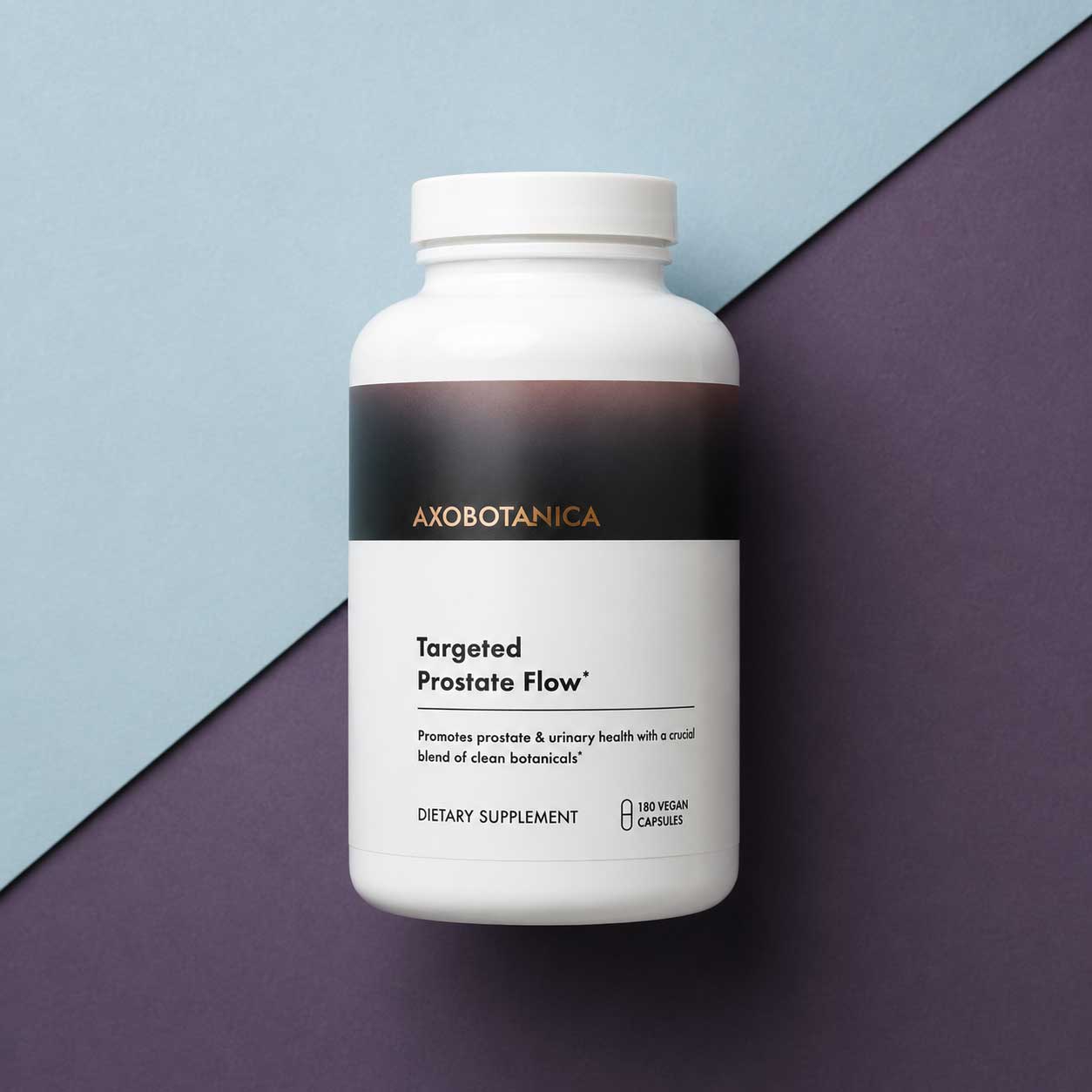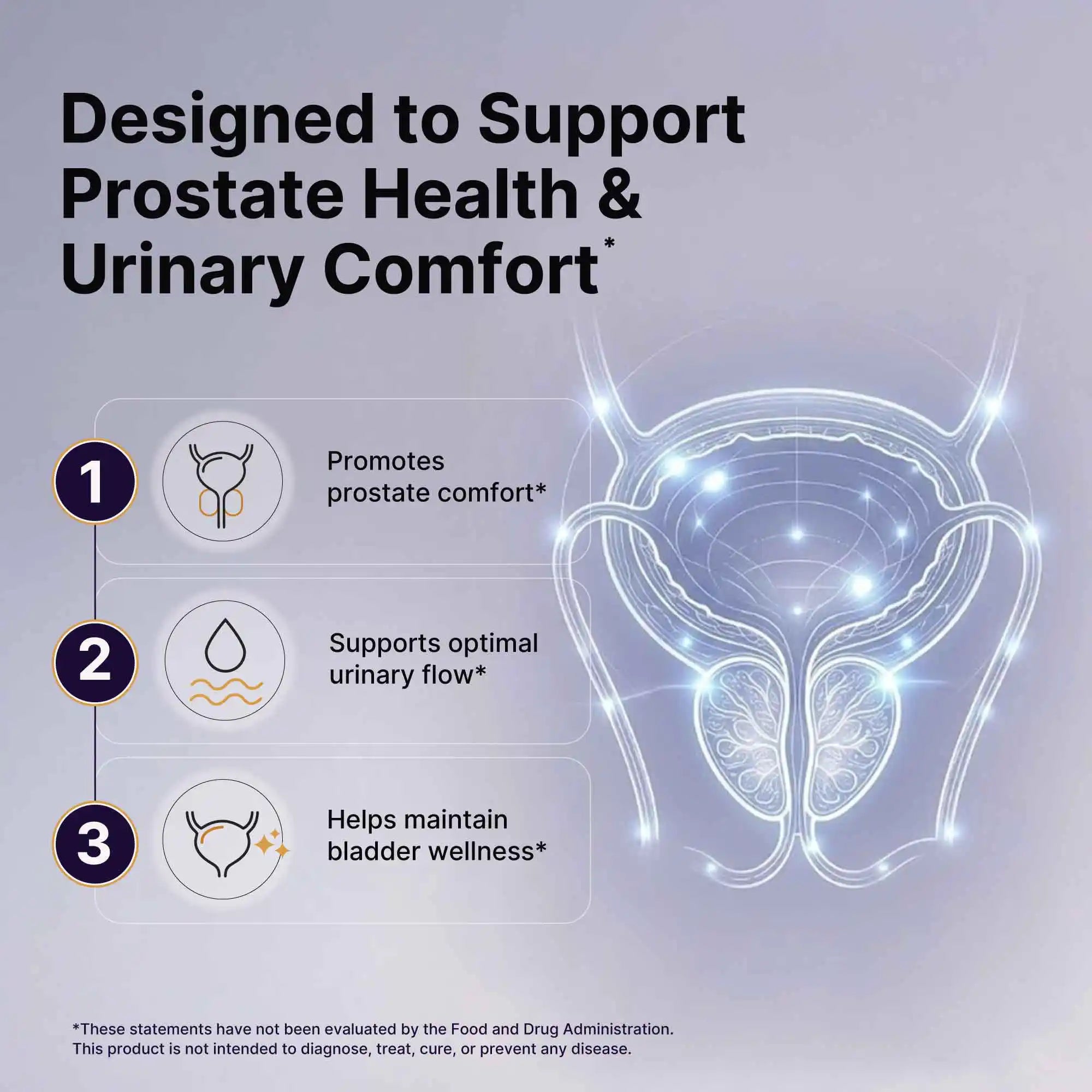
COPTIS CHINENSIS · TARGETED PROSTATE FLOW
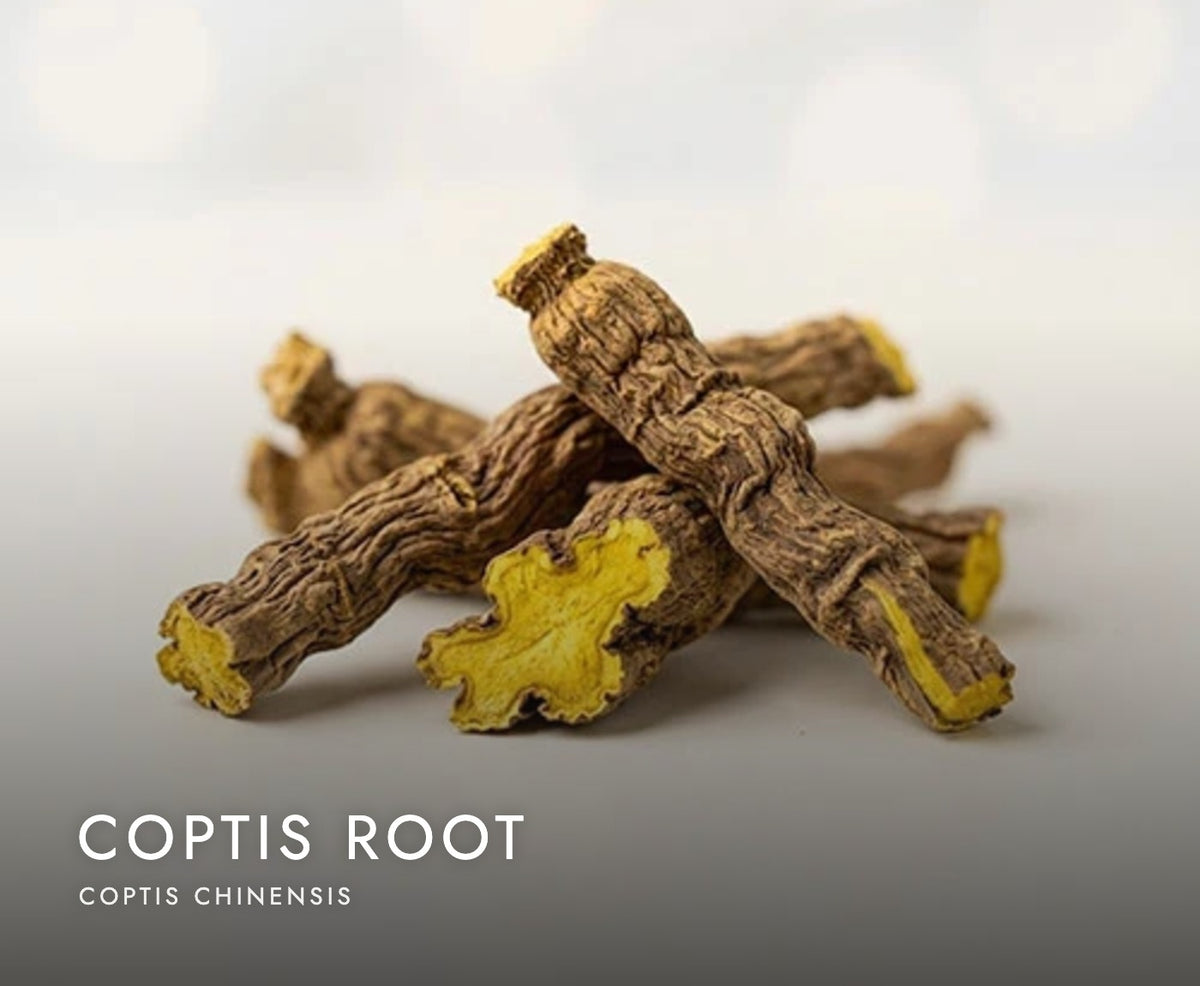
Coptis Root
A highly potent bitter herb traditionally used for deep systemic clearing. Dr. Chris selected this 10:1 extract to actively target microbial stressors and calm deep-seated pelvic inflammation, providing a clean foundation for long-term urinary tract comfort.*
What is Coptis Root?
Coptis (Coptis chinensis) is a small flowering plant whose golden rhizome, or underground stem, has been used in Chinese herbal practice for centuries. Its signature compound is berberine, the alkaloid that gives the root its color and bitter taste.*
Why it's in Targeted Prostate Flow
Coptis is the largest ingredient in the formula. In traditional practice it is used to clear heat and support the body's response to microbial stress. Dr. Chris selected a 10:1 extract to target microbial stressors and calm deep-seated pelvic inflammation, providing a clean foundation for long-term urinary tract comfort.*
What the research shows
- Animal research (Asian Journal of Andrology, 2024): In rats with induced prostate inflammation, berberine reduced prostate inflammation and oxidative stress. The effect appeared to work partly through changes in gut bacteria.*
- Human research review (Clinical Therapeutics, 2024): An umbrella review of 11 meta-analyses of randomized trials found berberine lowered fasting blood sugar, HbA1c and several inflammation markers, including CRP, in adults with metabolic concerns.*
The prostate research on berberine so far is in animals. The human research is on metabolic health.
Frequently asked questions
Is Coptis the same as berberine?
No. Berberine is the main active compound in Coptis. Targeted Prostate Flow uses a 10:1 extract of the whole root, which contains berberine along with the root's other natural alkaloids.
Why is it so bitter?
Berberine is naturally bitter. The capsules keep the taste out of the way.
Sources
- Tian YQ, et al. Berberine hydrochloride alleviates chronic prostatitis/chronic pelvic pain syndrome by modifying gut microbiome signaling. Asian J Androl. 2024;26(5):500-509. PMID: 39012524
- Nazari A, et al. The effect of berberine supplementation on glycemic control and inflammatory biomarkers in metabolic disorders: an umbrella meta-analysis of randomized controlled trials. Clin Ther. 2024;46(2):e64-e72. PMID: 38016844
- Wang J, et al. Coptidis Rhizoma: a comprehensive review of its traditional uses, botany, phytochemistry, pharmacology and toxicology. Pharm Biol. 2019;57(1):193-225. PMID: 30963783
*These statements have not been evaluated by the Food and Drug Administration. This product is not intended to diagnose, treat, cure, or prevent any disease.