Decoding Your Lab Results: Understanding 3 Key Kidney Markers
With extensive experience in kidney wellness, we emphasize monitoring essential lab markers—eGFR, creatinine, and BUN—to assess filtration and protein metabolism. Coupled with balanced nutrition, proper hydration, and professional guidance, regular tracking helps identify early concerns, supporting long-term kidney function and promoting overall renal health with confidence and precision.
eGFR, Creatinine, BUN: These numbers can feel overwhelming. Learn what they mean and how they indicate your kidney’s filtration performance.
Seeing a sheet of lab results with cryptic abbreviations and numbers outside the "normal" range can be anxiety-inducing. The truth is, understanding a few key terms can transform that anxiety into informed action.
Your kidney health is primarily assessed by how efficiently your kidneys are filtering waste from your blood. Here is a simple guide to the three most common blood markers used to gauge kidney performance.
1. eGFR: The Key Performance Indicator
The Estimated Glomerular Filtration Rate (eGFR) is widely considered the single most important number for assessing overall kidney function.
What is it?
- The eGFR is a calculation that estimates the rate (mL/min) at which your kidneys filter blood.
- How It’s Calculated: It uses a mathematical formula involving your creatinine level, your age, your sex, and sometimes your race (though race adjustments are becoming less common).
- eGFR is a percentage: think of it as a percentage of your total kidney function. A healthy kidney is generally considered to be 90 or above.
- Kidney Disease Staging: Physicians use the eGFR number to place kidney function into stages, from Stage 1 (mild damage, eGFR ≥ 90) to Stage 5 (kidney failure, eGFR < 15).
Remember: eGFR is an estimate and can naturally fluctuate. However, a persistently low or declining number is a signal that proactive health measures and medical monitoring are necessary.
Which diet should I follow to improve GFR?
To support and help maintain GFR (glomerular filtration rate):
- Control protein intake (moderate portions, avoid excess red meat)
- Prefer plant-based foods and high-fiber meals
- Reduce sodium (avoid processed and packaged foods)
- Limit sugary drinks and refined carbs
- Stay properly hydrated
- Include healthy fats like olive oil and fatty fish
- Manage blood pressure and blood sugar through diet
If GFR is already low, follow a kidney-specific plan guided by a doctor or renal dietitian.
2. CREATININE: The Muscle Exhaust Meter
Creatinine is a critical fundamental marker used to check on your kidneys.
What is creatinine?
Creatinine is a normal waste product that comes from the daily breakdown of muscle tissue. It is released into the bloodstream at a relatively constant rate.
Healthy kidneys are designed to efficiently filter all this creatinine out of the blood and excrete it in the urine. Therefore, the amount of creatinine in your blood is a key measure of your kidney's filtering efficiency.
When Creatinine Is High: A high level of creatinine in the blood suggests that the kidneys are not filtering efficiently. It's like a car engine where the exhaust fumes are backing up because the filter is clogged.
What Impacts It: Creatinine can be temporarily impacted by high-protein diets, intense weight training (due to increased muscle breakdown), and certain medications.

Read our companion guide: What Is a uACR Test? Understanding Your Kidney's "SOS" Signal
3. BUN: The Protein Waste Indicator
Blood urea nitrogen (BUN) is another waste product that helps provide a comprehensive picture of renal function.
What is BUN?
BUN is the waste product that results from the body breaking down protein from the food you eat and from damaged cells.
Like creatinine, BUN is supposed to be filtered out by the kidneys. If BUN levels are too high, it indicates a filtering problem.
When BUN is high: This usually suggests impaired kidney function. However, BUN is more sensitive to other factors than creatinine.
What Impacts It: Dehydration (which concentrates the blood), very high-protein diets, or gastrointestinal bleeding can also temporarily raise BUN levels, making it a less specific marker on its own.
What to Do With This Information
Empowering yourself with knowledge about these terms is the first step toward advocating for your health.
If your lab results show markers outside the normal range, the best next step is always to schedule a follow-up with your physician or a specialist (nephrologist).
They will look at your history, check for trends over time, and use these indicators to guide treatment decisions, which may include dietary changes, medication adjustments, or a focused supplement regimen.
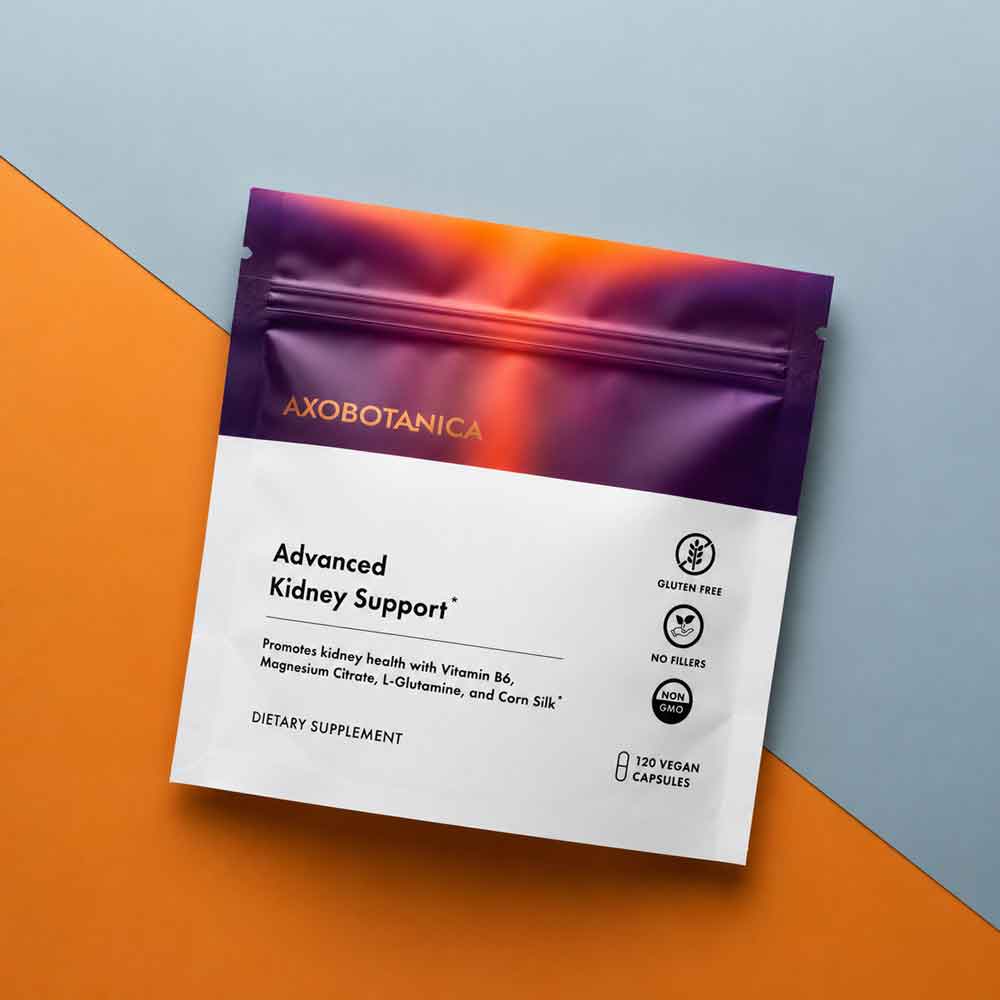
At Axobotanica, we believe in supporting the body's natural filtration and waste management processes. Our Advanced Kidney Support formula is designed to complement the lifestyle changes recommended by your healthcare team. Check out the research behind our ingredients here.
Here are the CDC's (Center for Disease Control) guidelines on kidney marker values.
IMPORTANT MEDICAL DISCLAIMER
This article is for educational purposes only and is not medical advice. Your lab results must be interpreted by your healthcare provider, who considers your full medical history, medications, and overall health status. Never adjust your medications or treatment plan based on this information alone.

Written by Lauren Lebel