Article: Is Creatine Bad for Your Kidneys? What the Research Says

Is Creatine Bad for Your Kidneys? What the Research Says
Creatine is one of the most popular supplements in the world. Athletes use it for strength, and more and more adults are taking it to protect muscle as they age. But one question keeps coming up: is creatine bad for your kidneys?
It's a fair question, especially if you've had routine bloodwork come back with a kidney number flagged after you started taking it. The good news for most healthy people is reassuring. The full answer depends on your kidney health, your dose, and which lab test your doctor is looking at.
What Is Creatine?
Creatine is a compound your body makes naturally from amino acids, mostly in the liver and kidneys. You also get it from foods like red meat and fish. About 95% of it is stored in your muscles, where it helps produce quick bursts of energy during activities like lifting, sprinting, or climbing stairs.
Supplementing raises the amount stored in your muscles, which is why it can support strength, power, and muscle mass. The most studied form by far is creatine monohydrate.
Why People Worry About Creatine and Kidneys
The concern mostly comes from one word: creatinine.
As your muscles use creatine, a small amount naturally breaks down into a waste product called creatinine. Your kidneys filter creatinine out of the blood, so doctors use blood creatinine levels to estimate how well your kidneys are working. That estimate is called your eGFR (estimated glomerular filtration rate).
When you take creatine, you store more of it, and more of it breaks down into creatinine. Your blood creatinine can rise even when your kidneys are working perfectly well. Because eGFR is calculated from creatinine, it can make your kidney function look worse on paper than it actually is.
In other words, creatine can change the test without changing the kidneys. We explain these markers in more detail in Decoding Your Lab Results: Understanding 3 Key Kidney Markers.

What the Research Shows for Healthy People
Creatine is one of the most thoroughly studied supplements available. In healthy adults, research has consistently found no meaningful harm to kidney function at recommended doses.
- Long-term use: A 2021 review in the Journal of the International Society of Sports Nutrition concluded that creatine does not cause kidney damage in healthy people. Studies it reviewed used doses up to 30 grams a day for up to five years.
- Creatinine vs. true function: A 2025 systematic review and meta-analysis in BMC Nephrology found that creatine causes a modest rise in blood creatinine, likely from normal metabolism rather than kidney damage. The authors encouraged clinicians to use more specific kidney markers in people taking creatine.
- Typical doses: Most research and most people use 3 to 5 grams a day, well within the range studied for safety.
What If You Already Have Kidney Concerns?
This is where the answer changes. Research in people with existing kidney disease is limited. Some early studies are encouraging, including a small 2026 trial in people on dialysis, but researchers agree that long-term studies are still needed.
If you have chronic kidney disease, a single kidney, diabetes, high blood pressure, or a history of kidney problems, talk with your doctor before taking creatine. The same goes if you take medications that affect the kidneys, such as regular NSAID pain relievers (more on that in The Kidney-Safe Pain Relief Guide) or certain blood pressure medications.
The two biggest long-term risks to kidney health are still high blood sugar and high blood pressure. Learn more in The Two Biggest Risks to Your Kidney Health.
How to Take Creatine With Your Kidneys in Mind
- Tell your doctor you take it. This is the single most important step. It helps your doctor read your creatinine and eGFR correctly.
- Ask about cystatin C. This blood test estimates kidney function without relying on creatinine, so creatine doesn't skew it. If your eGFR looks low, it's a useful follow-up.
- Get a baseline. If you can, have kidney labs done before you start so you have a clear comparison point.
- Pause before bloodwork. Some clinicians suggest stopping creatine for a week or more before kidney testing. Ask your doctor what they prefer.
- Stick to standard doses. 3 to 5 grams a day is what most research supports. Large "loading" doses aren't necessary.
- Stay hydrated. Good hydration supports your kidneys whether or not you take creatine. See 5 Facts About Hydration and Kidney Health.
- Choose a clean product. Look for plain creatine monohydrate with third-party testing and no unnecessary additives, proprietary blends, or added stimulants.
Questions to Ask Your Doctor
- Is creatine a reasonable choice for me, given my health history?
- Should we check my kidney function before I start?
- Could my creatine use be affecting my creatinine or eGFR results?
- Would a cystatin C test give us a clearer picture?
- Do any of my medications change how you'd approach this?
For a printable list to bring to your appointment, download our Free Doctor Visit Checklists.
Supporting Your Kidneys Long Term
Whether or not you take creatine, your kidneys benefit from steady daily care: staying hydrated, managing blood sugar and blood pressure, limiting regular NSAID use, eating a vegetable-rich diet, and knowing your lab numbers over time.
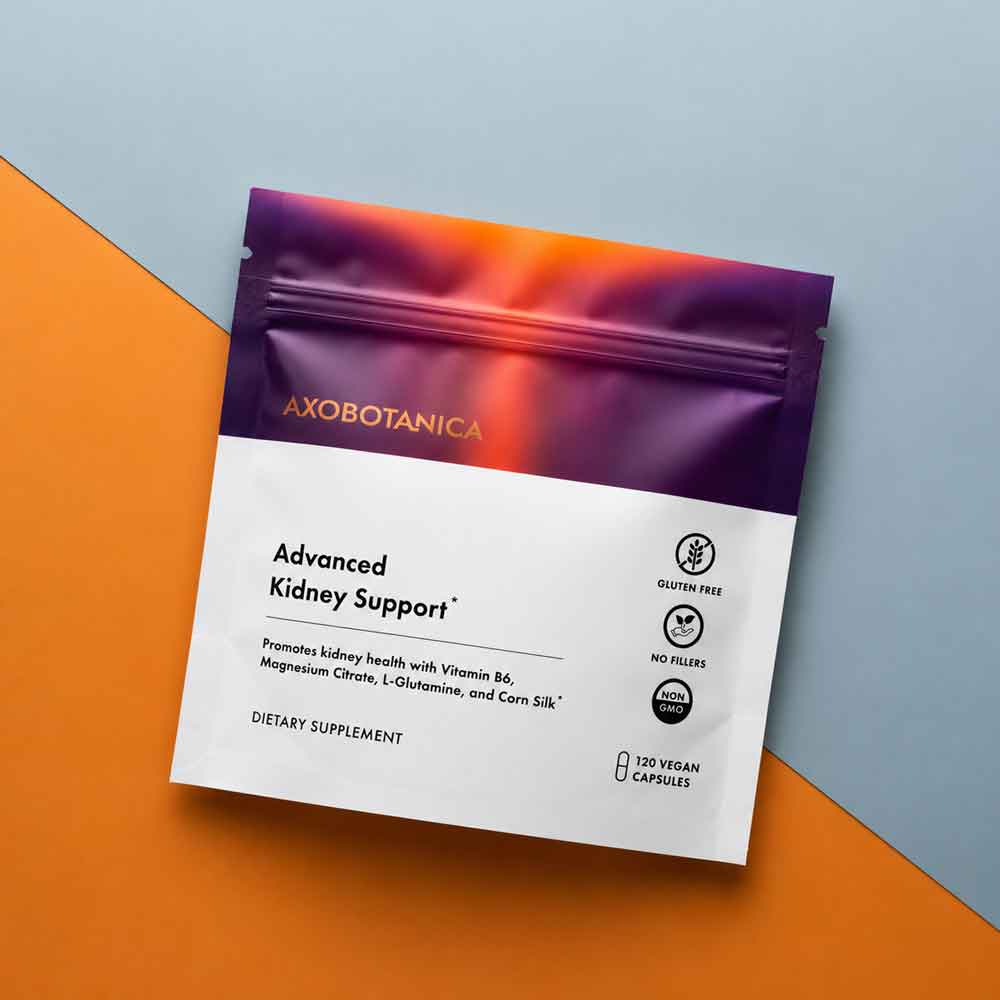
That proactive approach is what Dr. Chris designed Advanced Kidney Support around: a physician-formulated blend with ingredients like magnesium citrate, vitamin B6, L-glutamine, and corn silk, made in the USA with no fillers, flow agents, or synthetic dyes.* It's meant to support healthy kidney function as part of your routine, alongside regular checkups with your provider.
Frequently Asked Questions
Is creatine bad for your kidneys?
For healthy adults taking recommended doses, research has not shown kidney damage. People with existing kidney disease or risk factors should talk with their doctor first, since research in those groups is limited.
Why did my creatinine go up after I started creatine?
Creatine naturally breaks down into creatinine, so taking it can raise your blood creatinine even when your kidneys are healthy. Tell your doctor you take creatine, and ask whether a cystatin C test would help.
How much creatine is safe?
Most research supports 3 to 5 grams a day for healthy adults. Studies have tested higher amounts without harm in healthy people, but more isn't necessary for most goals.
Should I stop creatine before a blood test?
Some clinicians recommend pausing creatine for about a week before kidney labs to get a cleaner reading. Ask your doctor what they prefer.
Can I take creatine if I have chronic kidney disease?
Only with your doctor's approval. Early research is encouraging, but there isn't enough long-term data yet to call it safe for people with kidney disease.
The Bottom Line
For most healthy adults, creatine is one of the best-studied supplements available, and it doesn't appear to harm the kidneys at normal doses. What it can do is raise your creatinine and make your lab results look worse than your kidneys really are. Tell your doctor you take it, ask about cystatin C if your numbers look off, and get medical guidance first if you already have kidney concerns.
*These statements have not been evaluated by the Food and Drug Administration. This product is not intended to diagnose, treat, cure, or prevent any disease. This article is for educational purposes only and is not medical advice. Consult your healthcare practitioner with any questions about your health.